President:
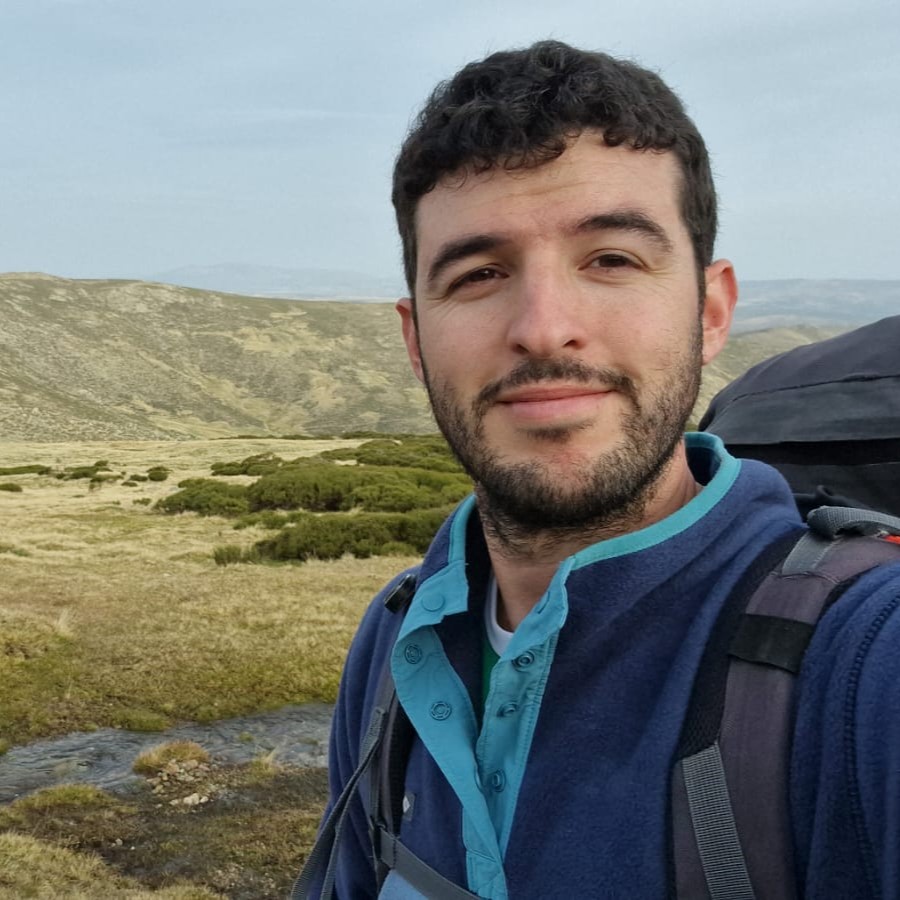
Pablo L. Finkel
Hello! I am Pablo, from Spain – currently a postdoctoral researcher at the Max Planck Institute for Solar System Research in Göttingen, Germany. My work here focuses on lipid biomarkers, which are not only the cheeky molecules that contribute to our beloved body fat, but also the integral components of the cellular plasma membrane, a fundamental barrier that separates the most basic units of life from the rest of the universe. The hydrocarbon cores of lipids are incredibly resistant molecules, capable of upholding their integrity for billions of years if preserved under the right conditions. Because of their remarkable durability and their universal role in life (as we know it), lipid biomarkers stand out as prime targets in the search for life on Mars – making them a central focus of the Mars Organic Molecule Analyser (MOMA) mass spectrometer aboard ESA’s Rosalind Franklin rover, a mission I am proud to contribute to. Beyond research, I really value science communication, and my favourite activity in the world is mountaineering. Also, I love penguins with all my heart.
Email me: finkel (at) mps.mpg.de
Vice-president:
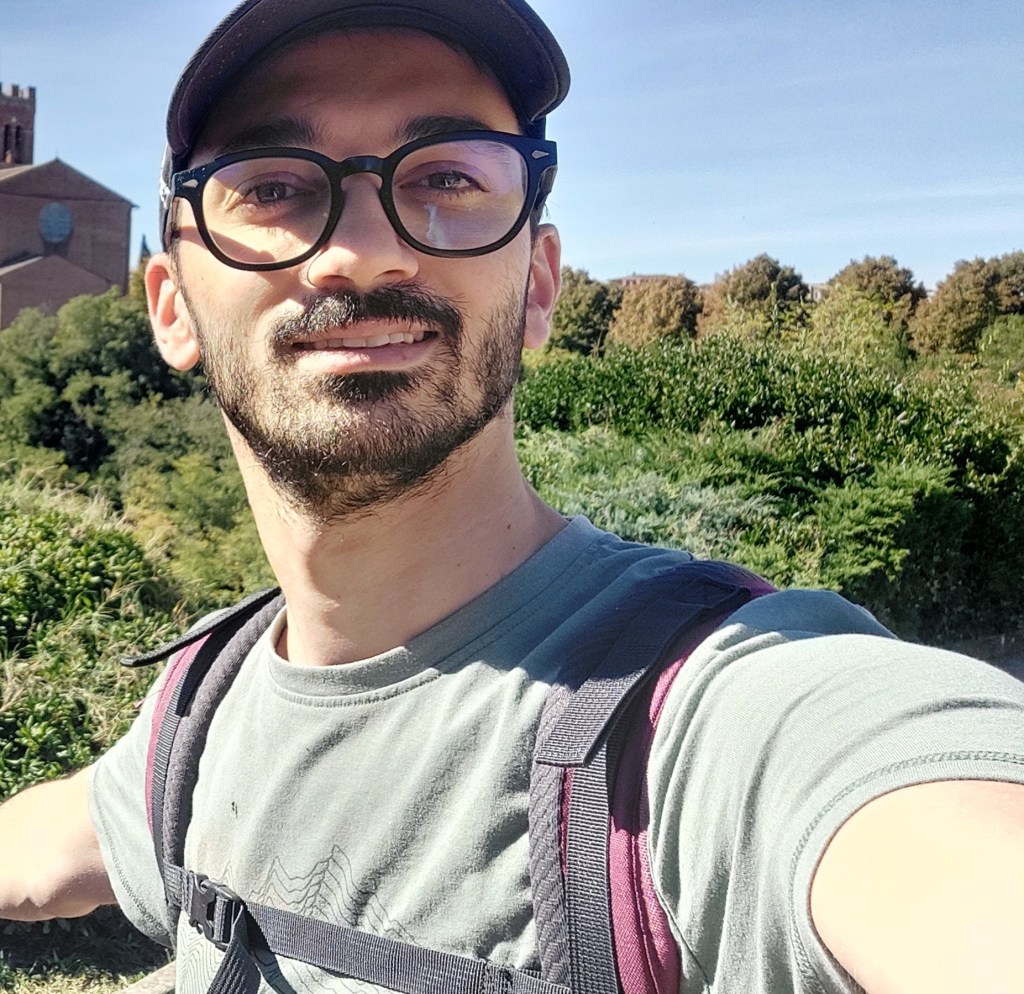
Mariano Battistuzzi
I am a researcher currently working at the Arcetri Astrobiology Laboratory of the INAF Astrophysical Observatory of Arcetri in Florence, Italy. My current research focuses on the survivability and detectability of photosynthetic and non-photosynthetic anoxic microorganisms under simulated Martian conditions, exploring the potential for a past or present biosphere on Mars.
I am also interested in the survival, growth, and acclimation responses of oxygenic photosynthetic microorganisms in astrobiologically relevant, far-red light-enhanced environments, such as the Martian subsurface or the surfaces of M-dwarf exoplanets. My PhD thesis investigated the survival and acclimation of cyanobacteria under the simulated conditions of exoplanets orbiting within the Habitable Zone of M-dwarf stars, evaluating their potential to produce detectable remote biosignatures.
In my free time, I enjoy climbing, PC gaming, and playing tabletop or card games.
Email me: mariano.battistuzzi (at) inaf.it
Vice-president:
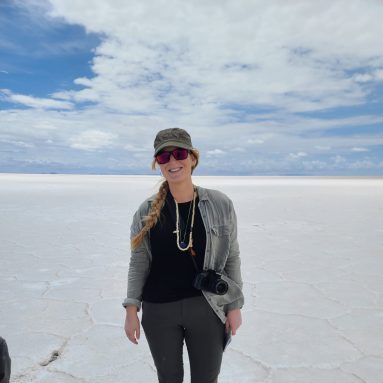
Stella Marie Timofeev
I am a postdoctoral researcher at the German Aerospace Center (DLR), working at the Institute of Aerospace Medicine. My research focuses on extremophilic fungi and their potential applications in In-Situ Resource Utilization (ISRU) and aerospace biotechnology. In particular, I investigate the limits of life of filamentous fungi and explore how their metabolic capabilities can be harnessed to regulate and transform materials, including fungal-based approaches to biomining and environmental control in extreme and space-relevant settings.
During my PhD, I studied strategies to mitigate fungal growth using antifungal surfaces, with the aim of developing materials suitable for aerospace applications. This work bridged microbiology, materials science, and space life sciences, contributing to a better understanding of microorganism-material interactions beyond Earth.
Alongside my research, I organize the Space Factor, a contest format for young students that showcases their science communication skills as part of the EASA Conference, aiming to foster creativity, critical thinking, and engagement with space-related research at an early career stage.
Outside the lab, I enjoy travelling, reading, cooking, photography, and creative pursuits in general. I’m looking forward to connecting with you at the next AbGradE event!
Email me: stella.timofeev (at) dlr.de
Secretary:
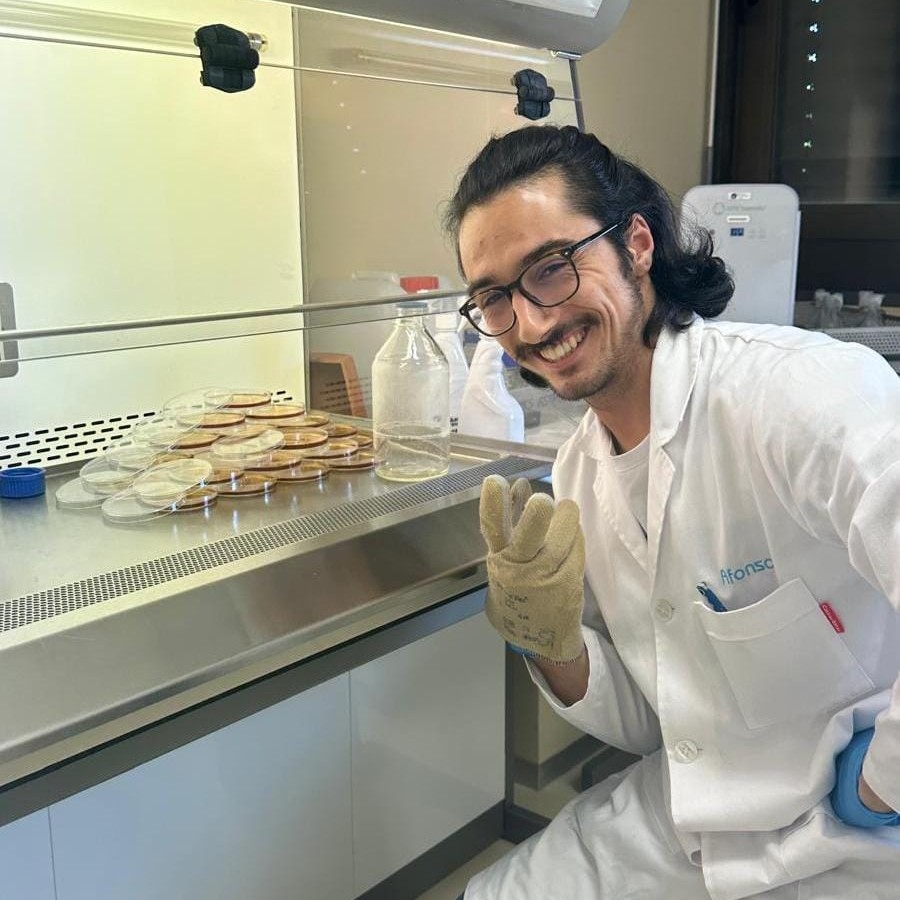
Afonso Mota
I am a PhD candidate at the University of Porto, working in the Portuguese Institute of Astrophysics and Space Sciences, as well as CIIMAR (Porto, Portugal) and MNHN (Paris, France). My research bridges microbiology and astrophysics to assess microbial habitability in the Solar System (e.g. Mars and icy moons) and beyond (exoplanets). I work on modelling (exo)planetary environments and then performing laboratory experiments to assess the survival and growth capabilities of extremophiles in such conditions. I am also a co-founder of a Portuguese Astrobiology student initiative, AstroBioLusitanos, where we actively participate in science communication with the general public.
Email me: afonso.mota (at) astro.up.pt
Treasurer:
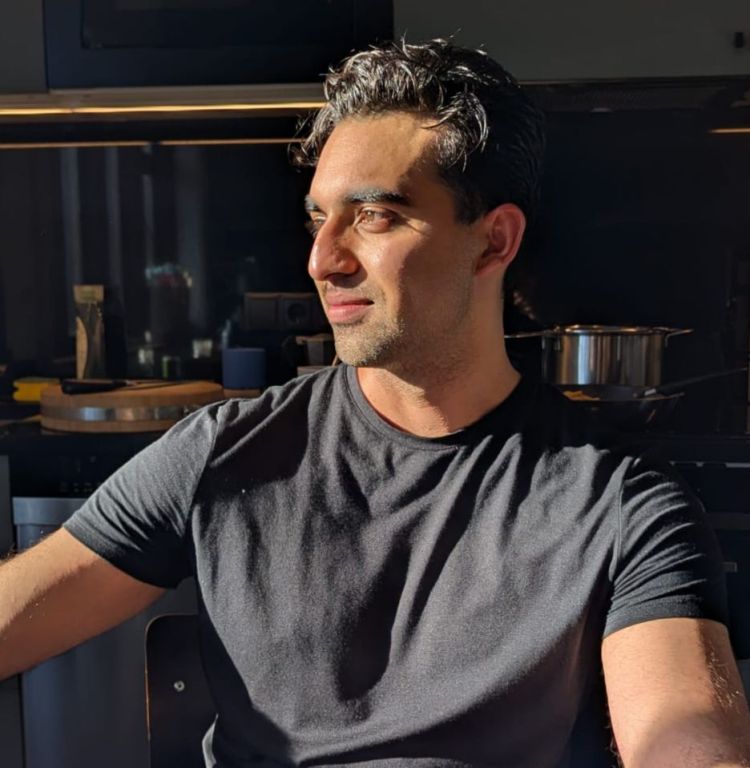
Samir Chitnavis
Hey! I’m Samir. I’m a PhD researcher in London. I’m breaking biology down into physics to predict what photosynthetic life “looks” like on planets orbiting differently coloured stars – both dead and alive! Much of astrobiology that makes the news involves “top-down” detection – assuming life evolves elsewhere as it does on Earth. With my supervisor, we use universal laws of physics to build generalised “bottom-up” models of “plants” and “algae” – not parametised to any particular species that we know. Marrying “top-down” with “bottom-up” will enable a reliable future for detecting life. Outside of academia, I have been working in an investment firm focused on space companies. My goal is to help students bridge the gap between space academia, industry and finance.
Email me: s.chitnavis (at) qmul.ac.uk 
Social Media:
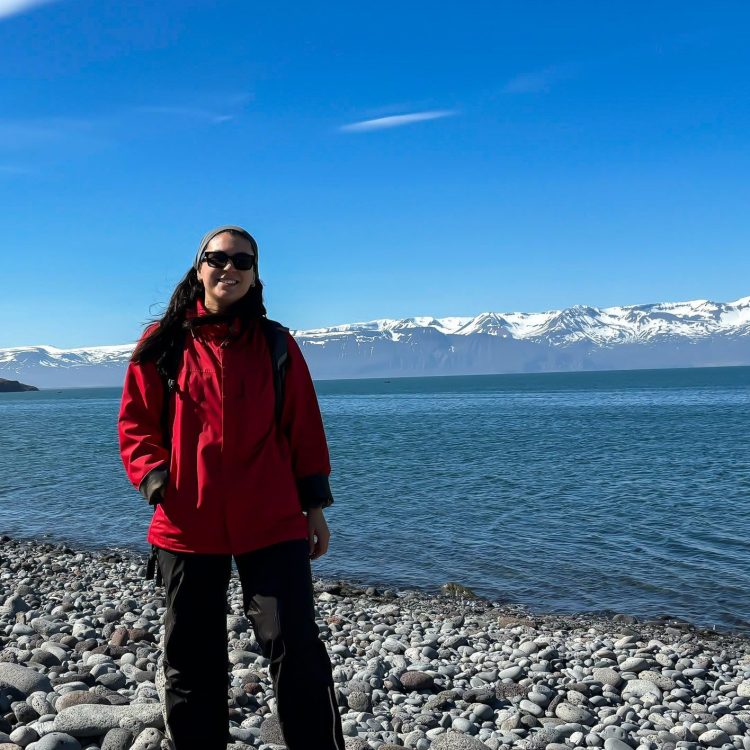
Costanza Maria Martella
Hello there! My name is Costanza and I’m a PhD student in Cellular and Molecular Biology at the University of Rome “Tor Vergata”. My research focuses on extremophiles, particularly cyanobacteria that can survive under extreme conditions such as those found in space environments. As part of my PhD project, I’m developing a biosensor capable of emitting luciferase in response to ionizing radiation and microgravity. This system will help us better understand how these extreme factors affect cells, ultimately contributing to the safety of future human space exploration. I’m a dynamic person who loves art in all its forms, from music to cinema, and I believe that scientific work is, in many ways, a bridge that connects passionate people from different cultures. I’m really looking forward to meeting you all soon!
Email me: costanzamariamartella (at) gmail.com

Social Media:
Inês Figueiredo
Hello there, I’m Inês and I am a PhD student at the University of Edinburgh, working on a biotechnology set-up that uses space residues as nutrient sources for fungi, to produce life support essentials for future long-term space missions. From the lab to the Moon, I’m exploring how microorganisms can make space missions more self-sustainable and practical!
I’m also very passionate about science communication, which led me to co-create a portuguese astrobiology students’ group with other portuguese students. Through our social media, workshops, and talks, we share the wonders of astrobiology with younger portuguese students! Besides this, I love watching series, going to the beach, and spending long afternoons in a nice café with friends! I hope to see you at the next AbGradE event!
Email me: pereiraines2000 (at) gmail.com
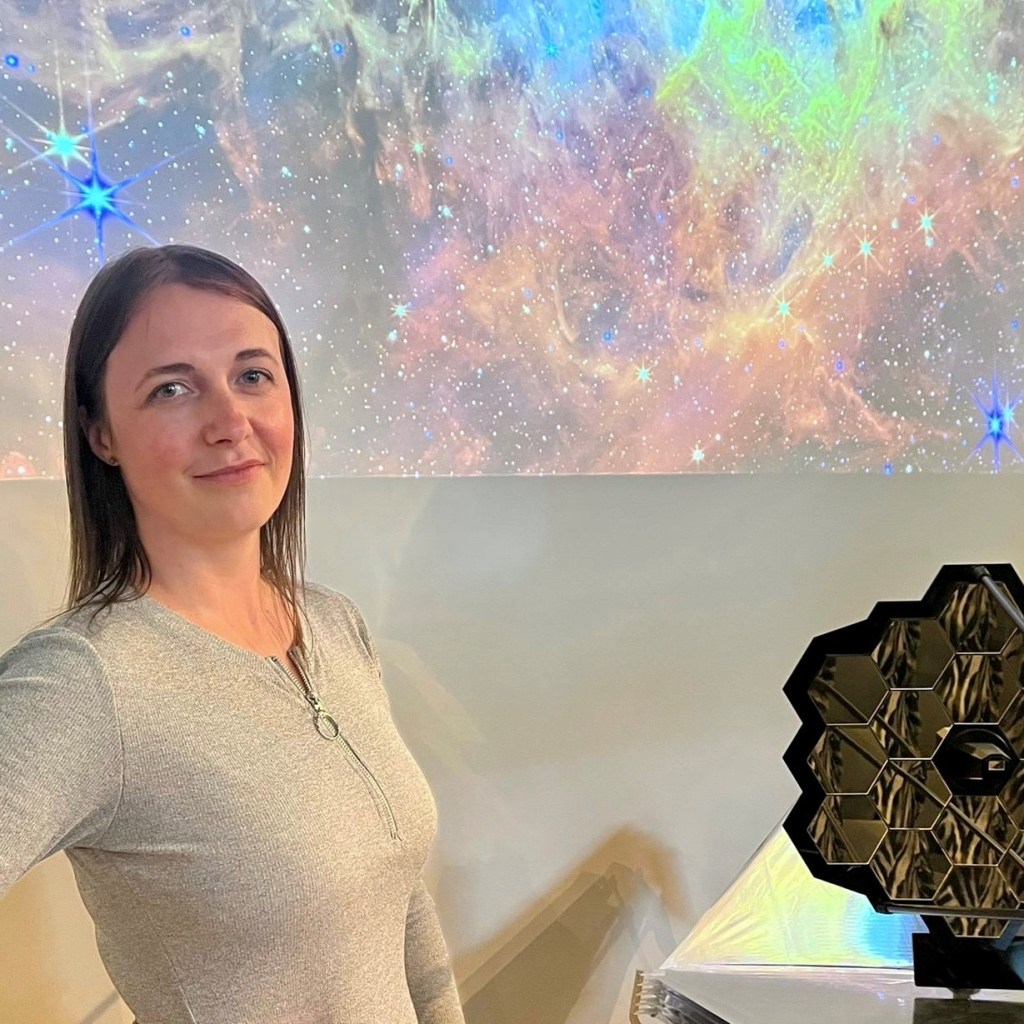
Alexandra Zetterlind
I am currently a PhD student at the Department of Earth Science of Utrecht University, the Netherlands. My research project focuses on the delivery of volatile material to young, rocky planets. By various laboratory experiments that investigate organic compounds in carbonaceous meteorites, I attempt to constrain the contribution of extraterrestrial organics to the early Earth and beyond. I obtained my Masters in organic geochemistry at Uppsala University, Sweden, studying lipid biomarkers in active serpentinization systems. See you at the next AbGradE event!
Email me: a.o.zetterlind (at) uu.nl
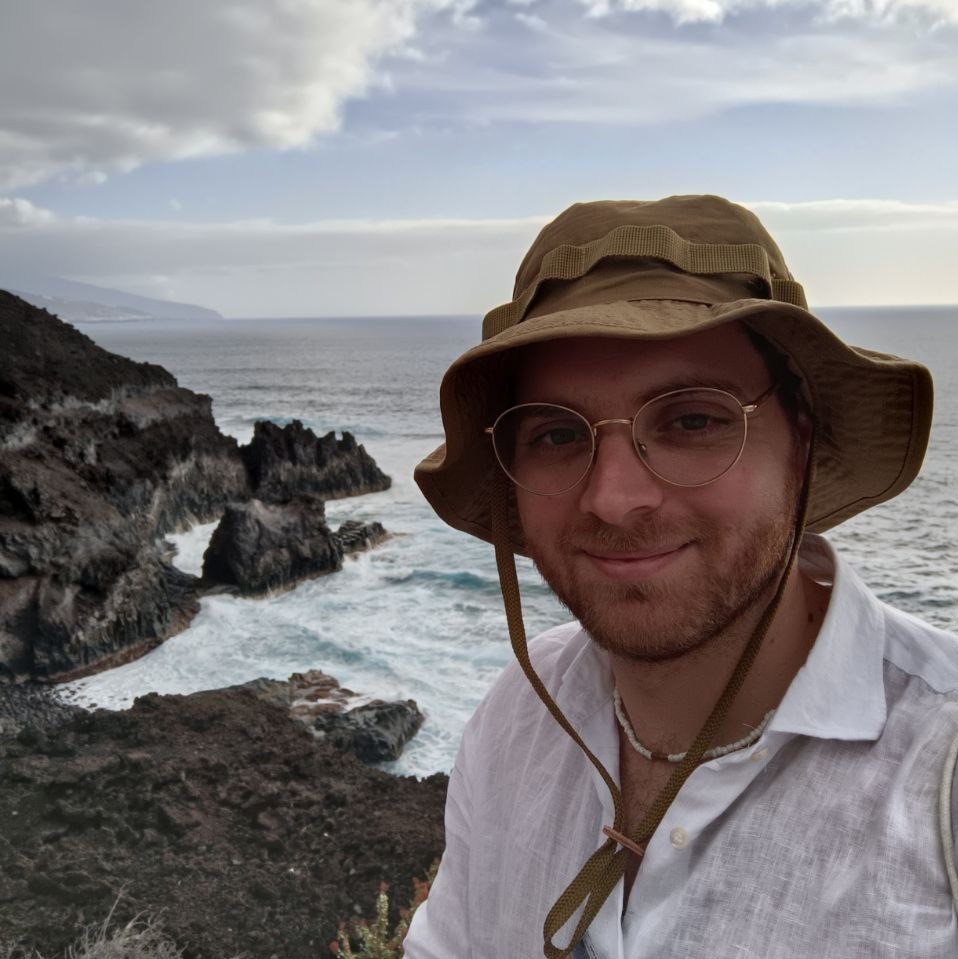
Andrew Alberini
Hello there! I’m Andrew Alberini from Tuscany lands. I am a PhD student of the Department of Physics and Astronomy of University of Florence (master’s degree in Astrophysics) and NASA Mars 2020 Mission Official Collaborator. My research project (carried on at the INAF – Astrophysical Observatory of Arcetri in Florence) is focused on the search for traces of extraterrestrial life on Martian surface. The main goals are to produce an infrared spectroscopy database to support the interpretation of NASA Mars 2020 and ESA ExoMars rover instruments, and to investigate the role of minerals in the photodegradation of organic molecules by simulating Martian environment.
Email me: andrew.alberini (at) inaf.it
Ben Tatton
I am a PhD student in the AstrobiologyOU research group at the Open University in the United Kingdom. My research is focused on prokaryotic life in high-altitude lakes and what biogeochemical cycling within these systems can tell us about the type of life that may have been present on Mars during more clement periods in its history. To do this my research aims to assess how geochemical changes impact the community profile and function within these extreme environments as well as to identify plausible metabolisms through laboratory simulation experiments. I have adopted an interdisciplinary approach, combing geochemical and ‘omics-based analytical methods. Outside of my PhD, I can usually be found outdoors with hiking, camping, and running being amongst my favourite past times.
Email me: ben.tatton (at) open.ac.uk
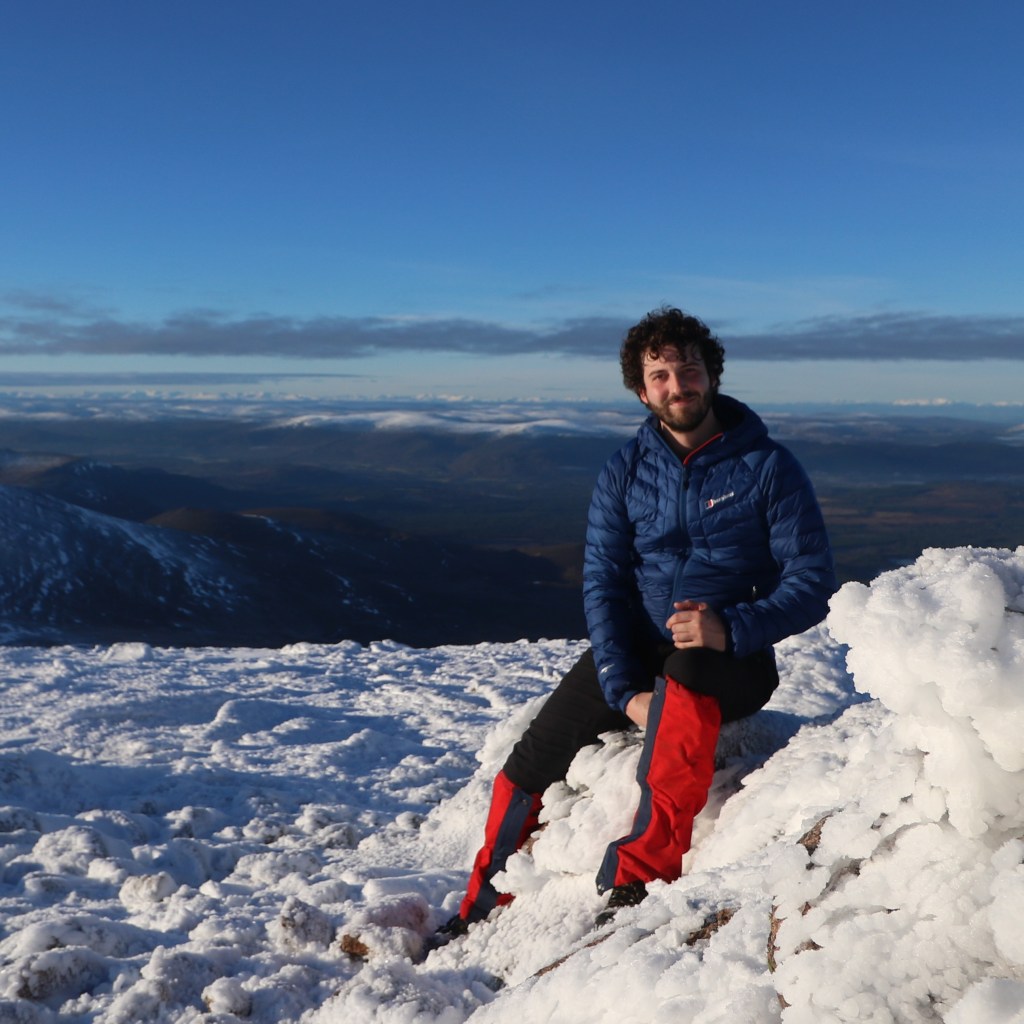

Cecilia Ricci
I’m a research fellow at DLR Bremen studying how to preserve and transform harvests in space. My master’s thesis produced a cereal-processing system for microgravity—yes, basically “lunar pasta.” At DLR I worked on EDEN Luna, a greenhouse for astronauts that integrates environmental control, water management, and closed-loop nutrients to grow fresh food beyond Earth orbit. I’m obsessed with what happens after the harvest: quality, food safety, logistics, and automation in extreme environments. There’s a clear food theme, I admit.
When I’m not working, you’ll find me behind a camera or flying an ultralight, because curiosity for technology and the search for new perspectives don’t stop at the lab door.
Email me: cecilia.ricci (at) dlr.de
Christian Lorenz
I am Christian Lorenz, PhD student in Biology, based at University of Naples Federico II, Italy. Currently, I am working on Plant Growth-Promoting Bacteria as a nature-based solution to apply on crops to ameliorate their physiological response to abiotic stresses, such as water scarcity or salinization. I have carried out my abroad mobility in Chile, at University of Antofagasta, sampling Atacama desert soil to isolate potential PGP bacteria, and at Photon System Instruments R&D, Czech Republic, working on phenotyping platforms. I have performed most of my experiments at the Institute of Sustainable Plant Protection (IPSP) of the Italian National Research Council (CNR) of Sesto Fiorentino (FI) and Metaponto (MT). Before starting my PhD project, I have worked on extremophiles, specifically lichens, in astrobiology perspective, working at the INAF-Observatory of Arcetri, Florence, and carrying out my Master thesis at DLR – Berlin. In terms of skills, I am a plant ecophysiologist specialized in photosynthesis (gas exchange, fluorescence/photochemistry, destructive analyses with spectrophotometry and basic knowledge of HPLC). I have also acquired skills in FTIR and Raman spectroscopy during my Bachelor’s and Master’s thesis, more focused on astrobiology at the Astrophysical Observatory of Arcetri (INAF) and DLR – Berlin (PASLAB).
Email me: christian.lorenz (at) inaf.it 
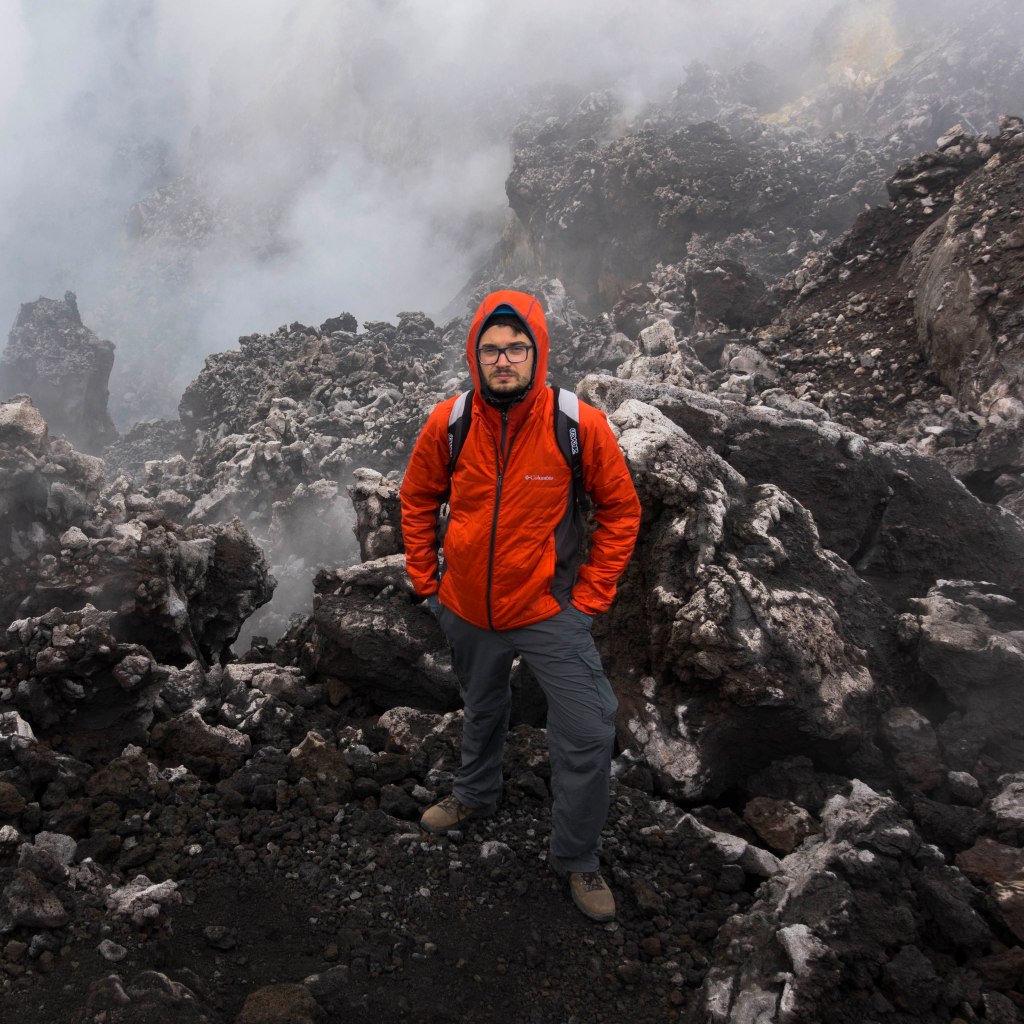
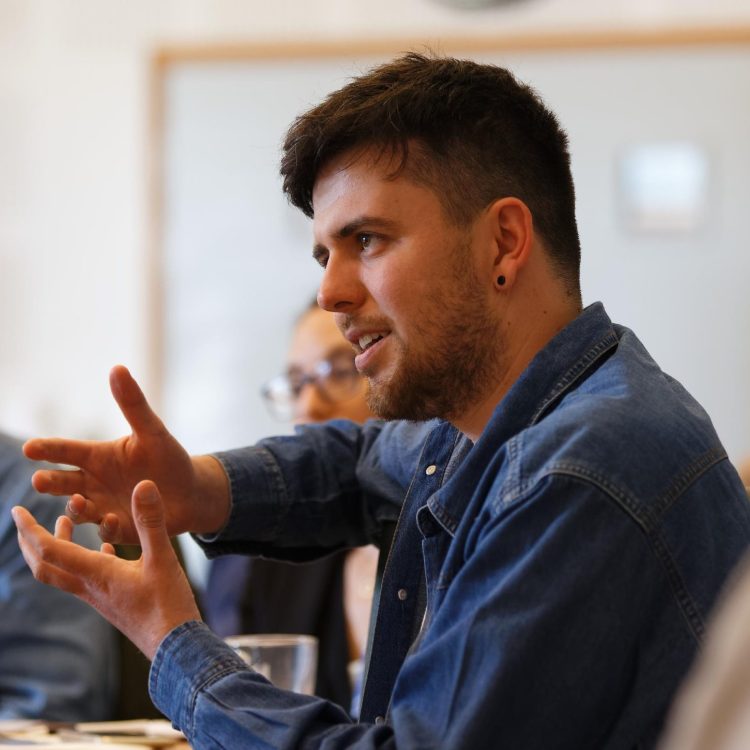
Dominik Horký
During my first Master (Ecosystem Biology) at the Czech Academy of Sciences and the University of South Bohemia in Czechia, I focused on Arctic lakes and the ecology of the microorganisms living there. In my second Master (Earth and Climate System Science) at the German Aerospace Center Berlin and University Hohenheim in Germany, I focused on molecular biosignatures found in microorganisms living in the Antarctic and the Atacama Desert. My main focus was the possibility of detecting such biosignatures on Mars using Raman spectroscopy. Naturally, I would like to continue with a PhD, ideally continuing research with extremophiles. However, the programme that I recently finished studying was multidisciplinary with a focus on the climate and Earth’s atmosphere, which made me interested in the atmospheres of exoplanets as well. I like to experiment in the kitchen, including baking. I love travelling and hiking, theatre, I enjoy reading and watching sci-fi, fantasy, comedies and superhero movies.
Email me: horky.dominik (at) gmail.com
Eduardo Alonso Pintado
I am currently a PhD student at the Center for Astrobiology (INTA-CSIC) in Madrid, Spain. My research is focused on understanding what the first polymers on prebiotic Earth could have been and how to detect them elsewhere in the Solar System. Polymers are fundamental for life and amino acids, in particular, the monomers of proteins, have been found in meteoritic material, asteroids and in prebiotic chemistry experiments. Therefore, the presence of amino acid polymers in sites that may have hosted prebiotic chemistry such as Mars, Europa or Enceladus is conceivable. We are carrying out a series of polymerization experiments in different simulated prebiotic scenarios aimed to the production of simple peptides from the most frequent amino acids found in space. To detect these peptides, a series of antibodies have been developed with the aim of implementing them in the LDChip (Life Detector Chip). And besides being a science geek, I also love history, nature, adventure sports, road trips and beer.
Email me: eduardo.alonso (at) edu.uah.es
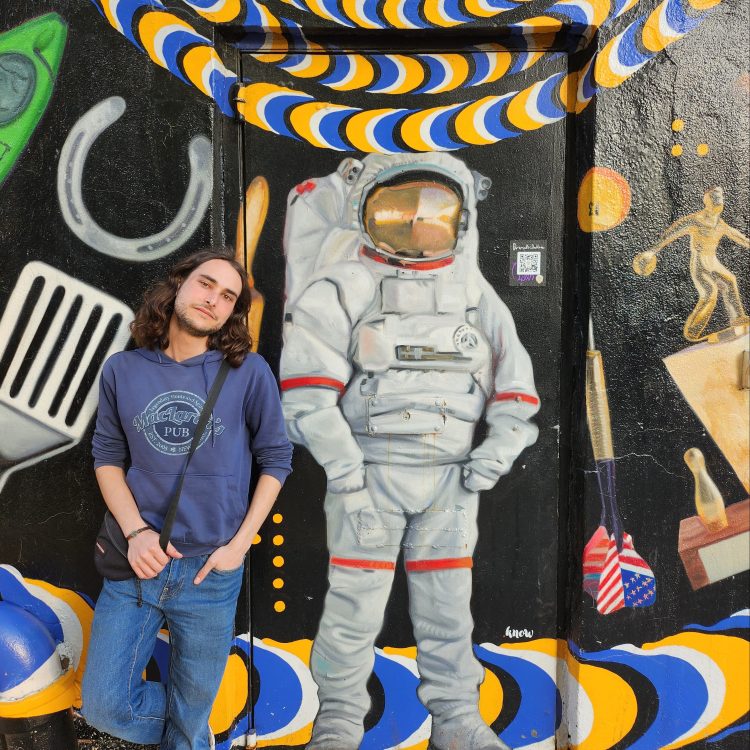
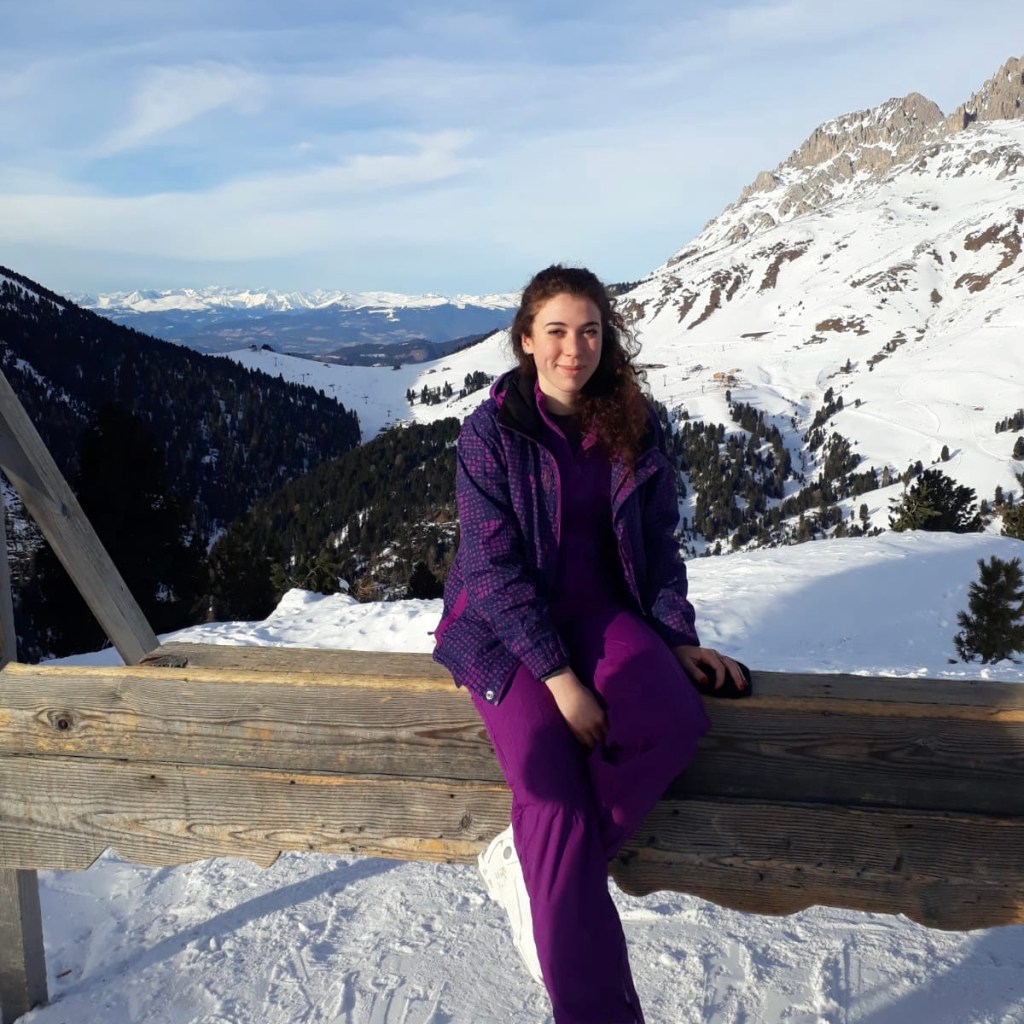
Elisabetta Liistro
I am currently a PhD student at the Department of Biology, University of Padua, Italy. Here I work in the Plant Biotechnology and Physiology Lab and my research is mainly focused on the study of oxygenic photosynthesis under far-red light-enriched spectra. Far-red light is indeed not sufficiently energetic to drive oxygenic photosynthesis alone, however, it can improve the photosynthetic efficiency if combined with visible light and some organisms were even found to perform oxygenic photosynthesis with far-red light alone! I am studying the biochemistry and physiology behind these processes, with an eye on the applications in astrobiology since exoplanets orbiting Red Dwarf stars receive much more far-red than visible light, and many subsuperficial environments in our Solar System are characterized by a similar irradiation.
In my free time, I love spending time in nature either chilling or playing all kinds of fun sports!
Email me: elisabetta.liistro (at) unipd.it
Florian Carlo Fischer
Hello, I’m Florian, currently a Master’s student studying Biotechnology at the Technical University in Berlin, Germany. I’ve recently completed my Master’s thesis, where I investigated the microbial habitability of the Martian near-surface environment. Specifically, I focused on (per)chlorate brines as a potential last outpost for microbial life near the surface of Mars. I will now begin a half-year project in which I will continue this research. Afterward, I hope to continue with a PhD. When I’m not reading papers or working in the lab, I enjoy spending time in nature. I love hiking, biking, and snowboarding. If I can’t make it out of the city, I spend my time skateboarding or playing football.
Email me: florian.carlo.fischer (at) outlook.de
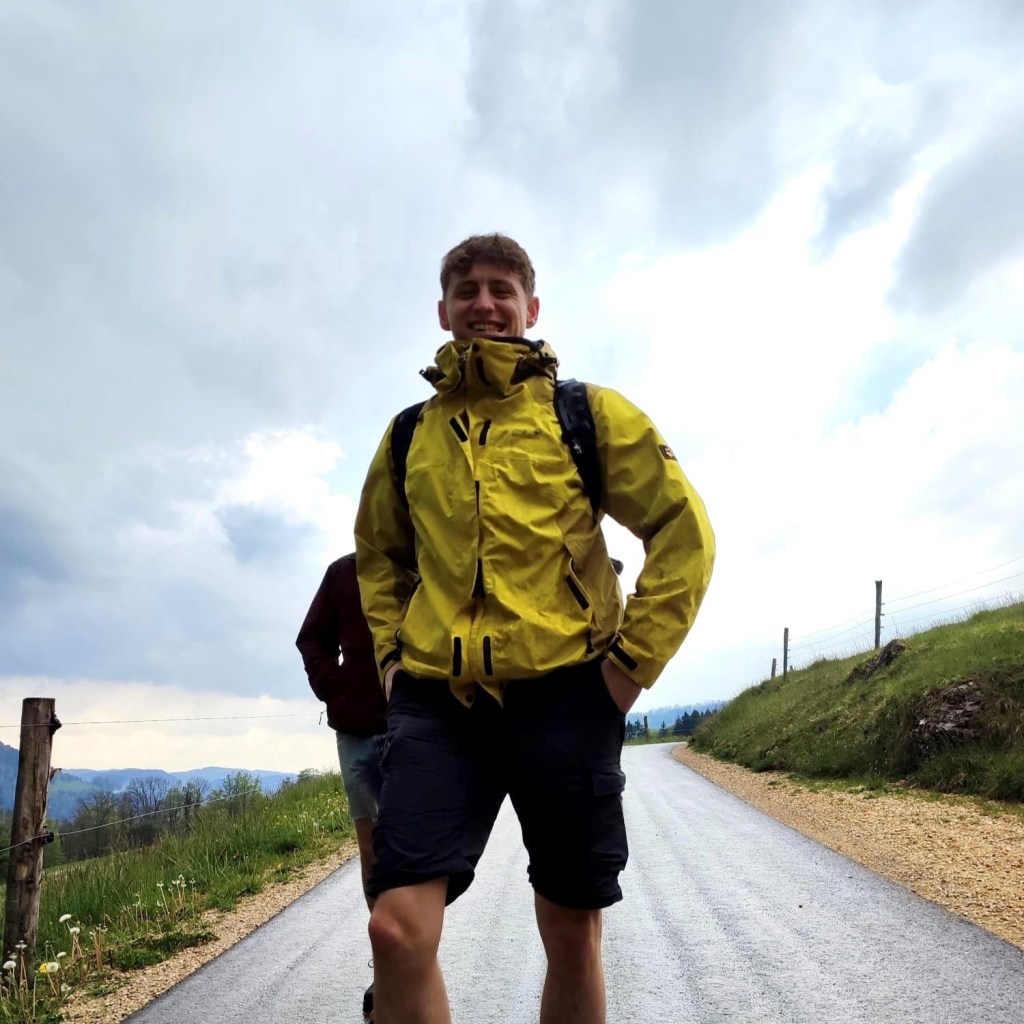
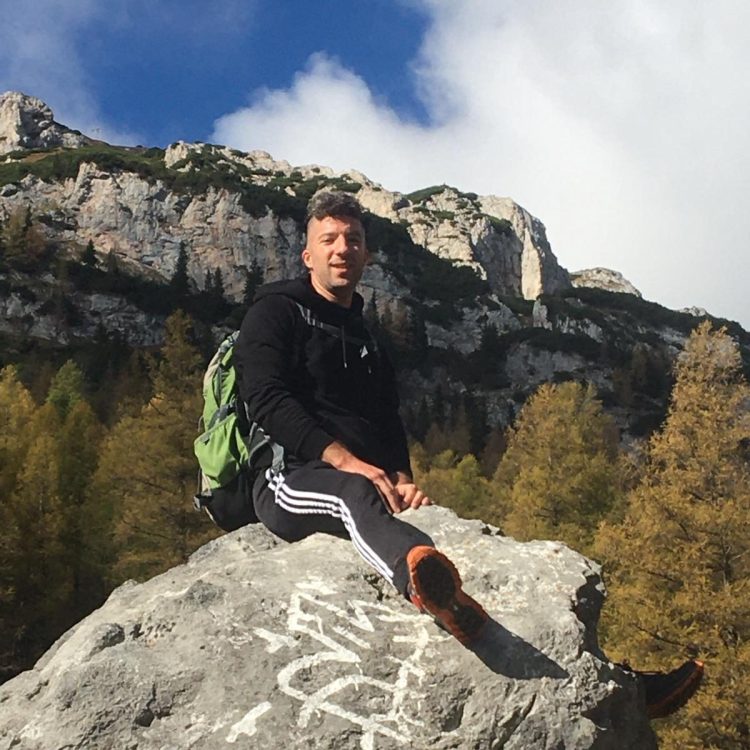
Hayk Palabikyan
I am a PhD student in the Archaea Physiology and Biotechnology Group at the University of Vienna, Austria. I am mainly interested in methanogenic Archaea and my research focuses on their physiology and molecular biology. I aim at utilizing their metabolism for developing sustainable biotechnological processes, which have the potential to become an essential milestone of a carbon neutral circular economy and which may one day be part of life support systems for missions outside of planet Earth. Carl Sagan, Kathleen Rubins and Ruth Taubner are the people, who inspire me to explore the exciting dimensions of astrobiology. “It has been said that astronomy is a humbling and character-building experience.” In my free time I climb and like a true Hayk, I hike. I am looking forward to meeting you at the next AbGradE event!
Email me: hayk.palabikyan ( at ) gmail.com
Hector-Andreas Stavrakakis
I am currently a PhD student at the National Technical University of Athens, School of Mining and Metallurgical Engineering. In my PhD I investigate the use of electrokinetics in geological formations in extreme conditions and in extent their utilisation for space and Martian applications for the production of mission essentials. My research interests evolve around space technologies and sciences but are primarily focused on Mars and the Martian environment. This has allowed me to participate in many groups and projects over the years, each time with amazing experiences, such as AbGradE. My other interests include board games (Warhammer 40k primarily), cooking, travelling and doing sports.
Email me: hecstavrakakis ( at ) gmail.com

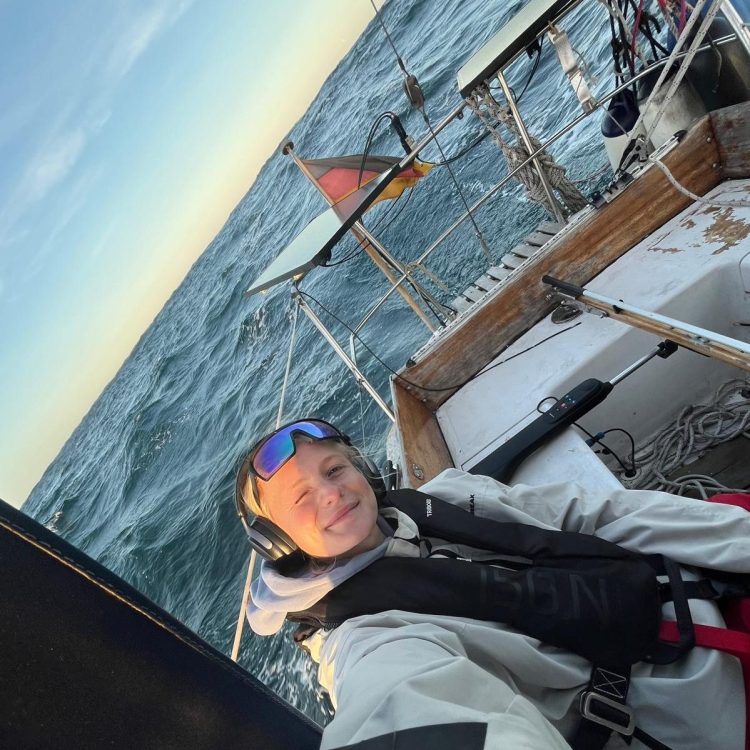
Luise Jumpertz
Hey, it’s Luise! I am a PhD student working on the origin of life at Aix-Marseille University in the south of France. I work on the non-enzymatic formation of peptides in possible prebiotic settings on the early Earth. More specifically, I am looking into the role disulfide bonds might have played in connecting amino acids to form short peptides. If you can’t find me in the lab, I am probably somewhere outside on a new adventure. I enjoy hiking, sailing, biking, going for a swim in the sea or playing cards with my friends.
Email me: luise.jumpertz (at) univ-amu.fr
Maria Teresa Muscari Tomajoli
I am a PhD student in Astrobiology at Parthenope University of Naples in collaboration with the Federico II University of Naples. The main interest of my research is to study the physiological adaptations of the brine shrimp Artemia salina subjected to simulated space parameters. In particular, I am performing experiments in simulated Mars conditions. The entire research tries to look contemporary back and forward regarding the evolution of eukaryotic models, the presence of biosignatures on other planetary bodies and the future colonization of the space environment.
I am currently collaborating with the DLR of Berlin for my research, and I also participate in other research in physiology, in the astrophysical field, and also in studies concerning philosophy in the astrobiological studies.
My other interests include philosophy in general, arts like hand-crafts but also the graphic design part, the exploration of places, in particular natural sites and I am also involved in science communication for schools and university.
Email me: mariateresa.muscari (at) gmail.com
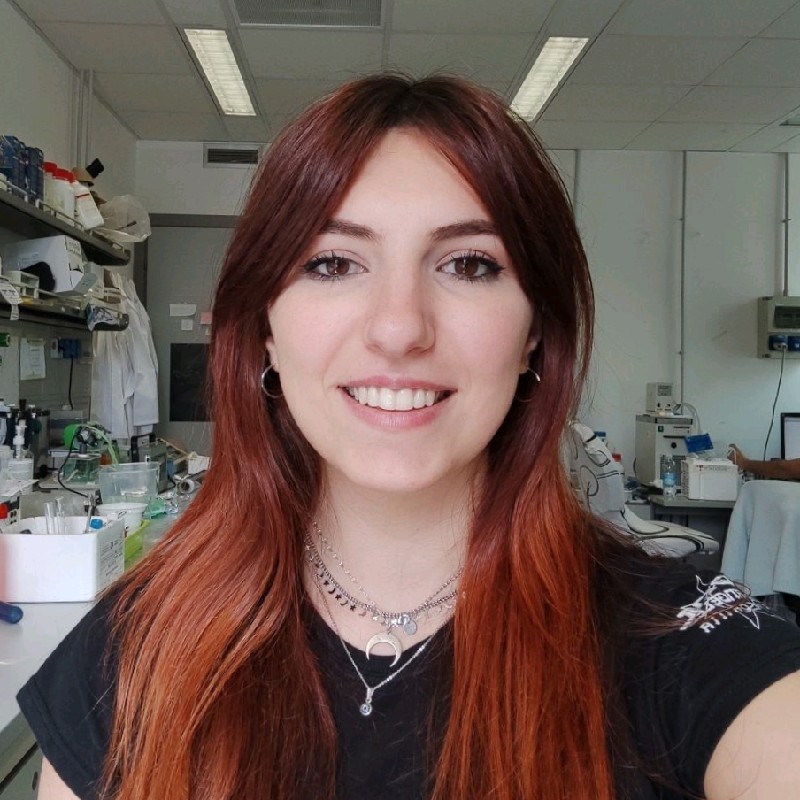
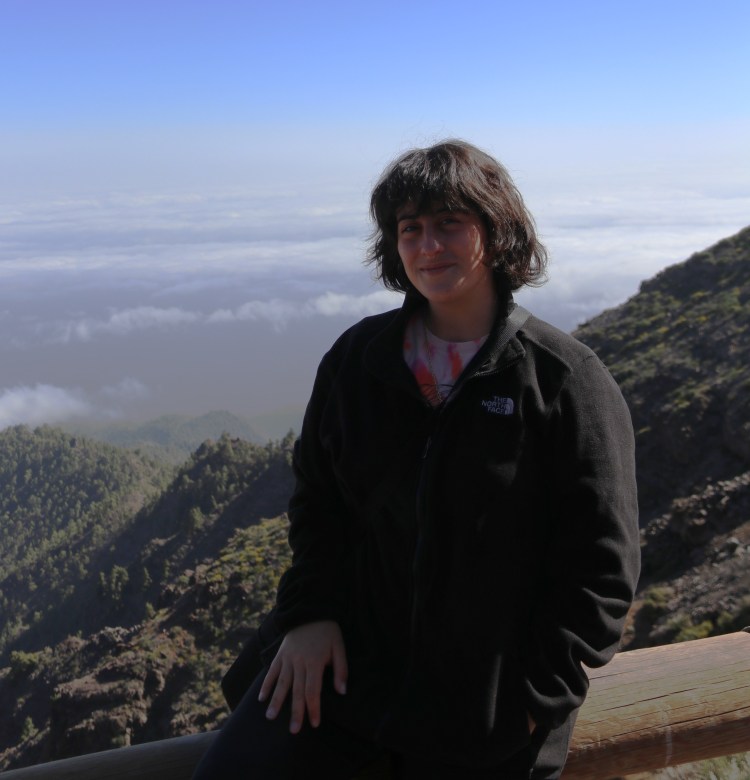
Martina Ferrara
I am a student in the master’s course in biology of extreme environments, astrobiology curriculum, at the University of Naples Federico II. The subjects I am most passionate about are those concerning the evolution of life on Earth and everything related to the master’s degree I am attending, such as astrochemistry, earth sciences, ecology and microbiology of extreme environments.
Email me: mferrara (at) constructor.university
Nina Kopacz
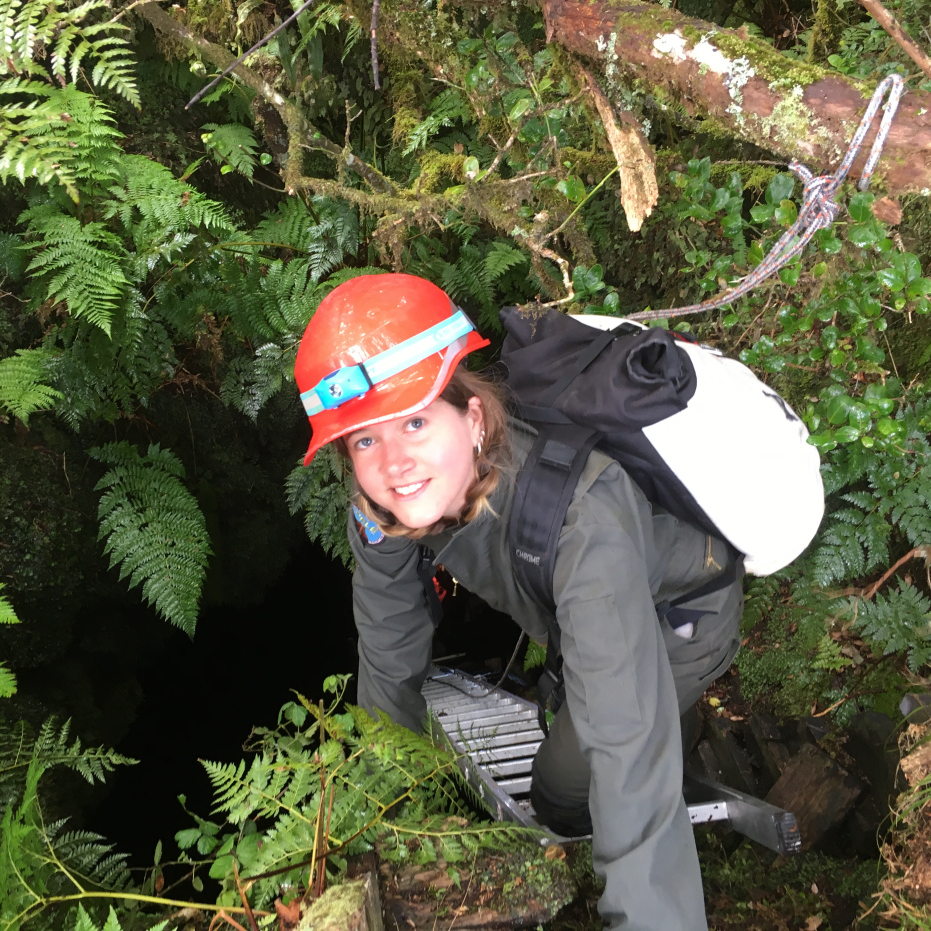
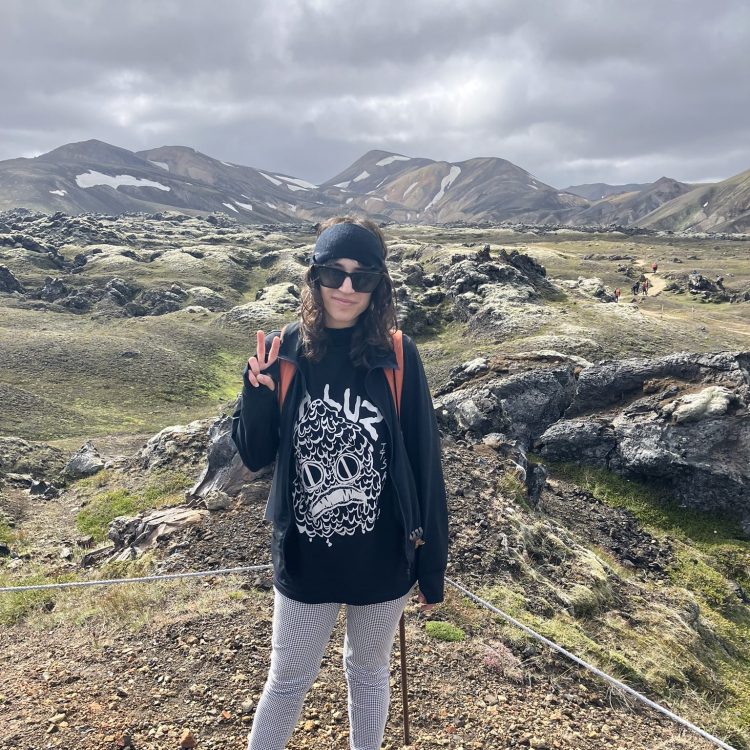
I am a PhD student at the Department of Earth Science of Utrecht University. I work on characterizing the organic carbon content of rocky bodies in our Solar System, such as meteorites, Mars, asteroids and comets. To do so I perform laboratory experiments using simulation chambers aimed at reproducing these environments. I hope that these experiments, along with data from astronomical observations, will help to better understand the distribution of organic content and guide our instrumentation choices in space missions aimed at its detection.
I am also part of the PELE team (Planetary Analogs & Exobiology Lava Tube expedition), which investigates lava tubes as analog sites to possible strongholds of life on Mars.
Email me: k.a.kopacz (at) gmail.com
Orr Rose Bezaly
I am currently wrapping up my PhD in the field of Origins of Life, working at the University of Amsterdam (UvA) and Utrecht University in The Netherlands. I focus on organo-geochemical evolution of clay minerals due to organo-clay interactions, and the Origins-of-Life related chemistry that clay nano-environments can facilitate. I am currently also employed as a post-doc at UvA, developing clay-based functional materials for energy storage.
I am a part of a teaching team as geochemistry lecturer in a unique interdisciplinary BSc course “How to design an alien – life on other planets?” at UvA, in which physics, chemistry and biology students work together to envision scientifically-plausible alien life forms.
In my free time I enjoy sculpting with clay, creating mainly abstract works inspired by natural life-like shapes and textures, for example, of underwater creatures.
Hope to meet you at the next AbGradE event!
Email me: o.r.bezaly (at) uva.nl
Petra Schwendner
I received my PhD in the fascinating field of microbiology focusing on microbial diversity of extreme environments. Since 2014, I have been involved in the MASE (Mars Analogues for Space Exploration) project working at the University of Edinburgh and recently moved on to study hypobarophiles at the Space Life Sciences Lab in Florida. I am looking forward to meeting you at AbGradE.
Email me: science.schwendner ( at ) outlook.com

Silvana Pinna
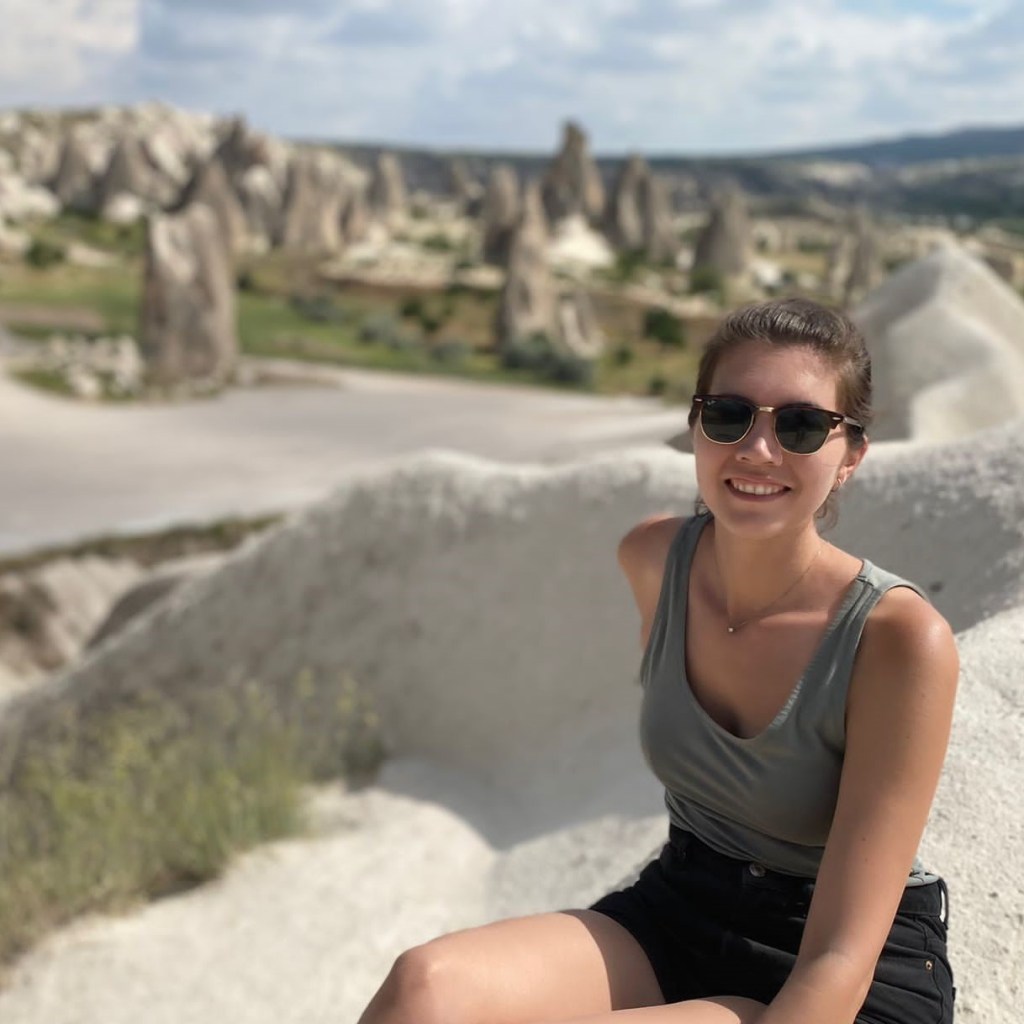
I am a postdoctoral researcher at the Centro de Astrobiología (CAB, INTA-CSIC) in Madrid (Spain), working on the detection of early metabolic biosignatures. In my work, I try to shorten the gap between geochemistry and modern metabolism. During my PhD at University College London (UCL, London UK) I investigated the primordial emergence of ATP, the “universal energy currency” of the cell, via substrate-level phosphorylation by the small prebiotically plausible molecule acetyl phosphate, in hydrothermal settings. My first experience with Astrobiology was a summer internship here at the CAB, where I was testing an instrument for biosignature detection for a possible application on the Martian soil. My other interests include going to the theatre, singing and travelling. See you at the next AbGradE event!
Email me: spinna ( at ) cab.inta-csic.es
Former AbGradE committee members
- Salomé Lagasse de Locht (2023-2025)
- Velislava Ilieva (2025)
- Alessia Cassaro (2018-2025)
- Beatriz Gallego Fernandez (2022-2024)
- Ruth-Sophie Taubner (2014-2023)
- Philippe Nauny (2014-2023)
- Alex Price (2016-2022)
- Keyron Hickman-Lewis (2018-2022)
- Kateřina Němečková (2019-2022)
- Claudia Pacelli (2018-2021)
- Marta Filipa Cortesão (2016-2021)
- Mickael Baqué (2014-2021)
- Fanny Vazart (2018-2020)
- Bjarke Haldrup (2017-2019)
- Niloofar Feshangsaz (2016-2019)
- Ðorđe Markovič (2016-2018)
- Tareq Omairi (2015-2018)
- Iris M. Madsen (2016-2017)
- Athanasios Papadopoulos (2015-2017)
- Angela M. Garcia Sanchez (2015-2017)
- Bo Byloos (2014-2017)
- Maximilian Mora (2014-2017)
- Baptiste Journaux (2015-2016)
- Alexandra Perras (2015-2016)
- Michaela Musilova (2014-2016)
- Adam Stevens (2014-2016)
- Cyprien Verseux (2014-2016)
- Lena Noack (2013-2016)
- Eugenio Simoncini (2013-2016)
- Toby Samuels (2014-2016)
- Paloma Serrano (2013-2015)
- Thomas Gautier (2014)
- Vassilissa Vinogradoff (2014)

 AbGradE