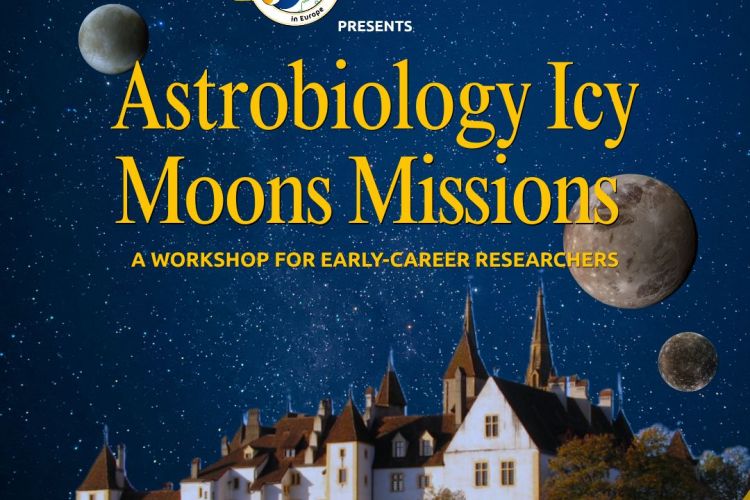
AbGradE 2026 workshop ahead of EANA in Neuchâtel, Switzerland

Registration is now open!
AbGradE is back to action and will organise its signature event on August 31st, 2026 the day before the 26th European Astrobiology Network Association (EANA) conference on September 1-4. Both events will take place in person at the Space Exploration Institute in Neuchâtel, Switzerland.

The topic is “Astrobiology Icy Moons Missions“, where participants will have an opportunity to design a mission/experimental concept relevant to the icy moons of our Solar System. These ideas will then be developed in writing during the second half of the workshop, which focuses on strengthening academic writing skills.

With the exploration of the Solar System’s icy moons entering an exciting new chapter, there has never been a better time to get involved. Join us to learn about the opportunities ahead, engage with experts in the field, and connect with fellow students and early-career researchers. Before EANA even begins, let AbGradE introduce you to the community that will accompany you on your scientific journey.

To register, please fill this form.

To receive more information, join our AbGradE emailing list, stay tuned to updates on this website, or follow us on or social media (X: @abgradeurope; Instagram: _abgrade_).

Hope to see you there!

AbGradEPEC 2026

The Europlanet Early-Career (EPEC) Network and Astrobiology Graduates in Europe (AbGradE) are thrilled to announce the latest event in our long-standing series of collaborations! 

This year, we invite you to the AbGradEPEC’26 joint meeting, which will take place before EPSC 2026 on Sunday 6th September in The Hague, Netherlands! 

AbGradEPEC’26 will kick off with a relaxed “speed science-ing” icebreaker, where attendees meet in small, rotating groups, giving everyone the chance to connect and engage with a variety of participants in an informal setting.

At the heart of AbGradEPEC’26 is an early-career symposium, offering participants a welcoming and informal space to share their current research and exchange ideas with fellow attendees.

Registration and abstract submission are now open. To join the event, please fill this registration form.

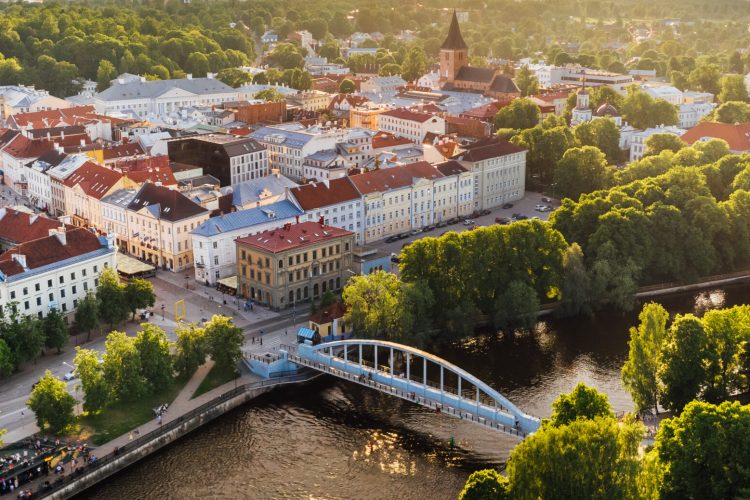
Summer School “Icy Bodies and Life” in Tartu, Estonia.

1 – 8 August, 2026

The summer school Icy Bodies and Life (Tartu, Estonia 1-8 August 2026) is going to provide the participant with comprehensive knowledge of icy bodies in the Solar System, from their formation in planetary systems to their role as potential habitats for life. This school is going to connect planetary science, astrochemistry, astrobiology, and space technology to examine how icy bodies like moons, comets, and asteroids form, evolve, and interact. During the school we will be carrying out asteroid observations with local telescopes.

The deadline for the application is May 30th 2026.

Application should include (a) a short CV (max 2 pages), (b) a motivation letter (only students from Estonian universities), and (c) a publication list (if applicable). Applicants will be informed about the outcome in due course after the application deadline.

Confirmed registration and payment deadline is June 15th, 2026. After your application is accepted, you will be sent more detailed information about registration and payment. Details on participation fees and the link to the application form can be found here.

See you in Tartu in August!

EAI Summer School in Iceland: Biosignatures and the Search For Life on Mars (and other planets)

18 to 26 June, 2026

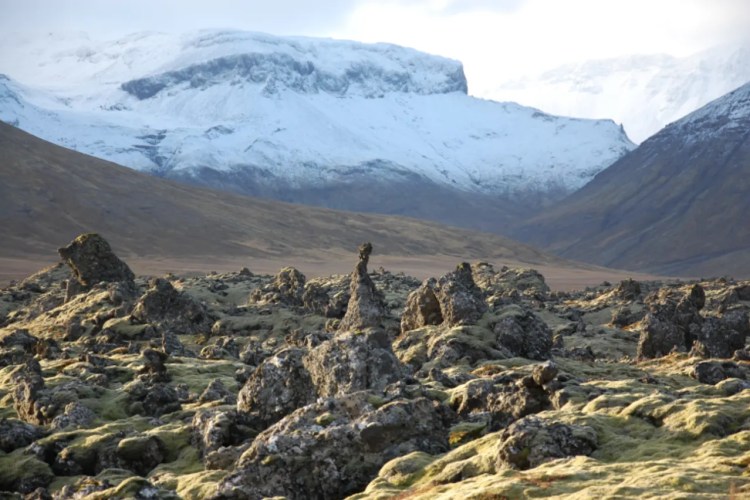
The school aims to cover the subject of the search for life in different environments, both on early Earth, below Earth’s surface and on Mars. It will bring together students and researchers from a multitude of different fields. It is co-organised by the European Astrobiology Institute,  the University of Akureyri and Stockholm University. Field studies on the colonisation of lava fields and Mars analogue landscapes will complement the lectures. The programme of the summer school comprises:

  • lectures by internationally leading scientists covering a broad range of subjects in astrobiology
  • investigation of colonisation Mars analogue landscapes with in situ life detection techniques
  • excursions to geologically and astrobiologically interesting sites (lava caves, new lava fields):
    • Námaskarð geothermal area
    • Krafla volcanic area
    • the Mars analogue landscapes in Northern Iceland
    • the Myvatn area with the Skútustaðir pseudocraters and the Hverfjall cinder cone
  • a poster sessions for students and early career scientists
  • participant-led discussions

A multitude of highly merited researchers have agreed to teach at the course (see the Programme page for details. The deadline for application is 15 April 2026 23:59:00 UTC.

The school is open for students amd scientists from all countries. For further information please click here.

See you in Iceland in June!